
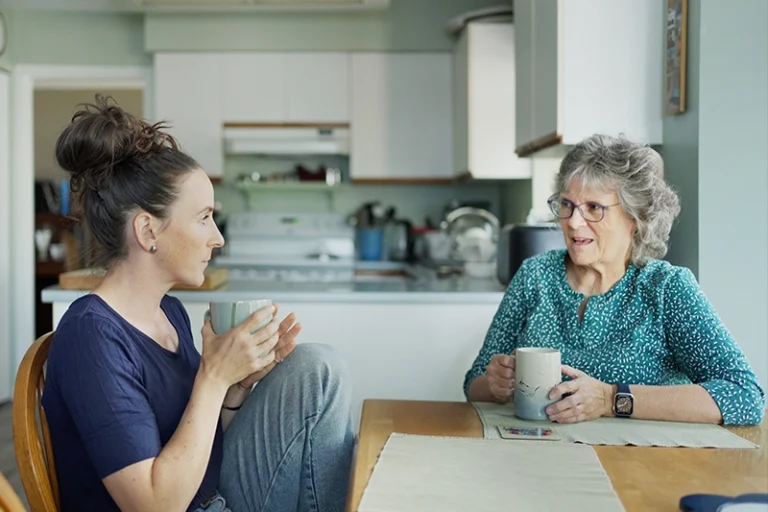
You’ve spent your life observing your mom — her gestures, her humor, her routines, and her reactions to stress. You recognize what’s “her” and what’s not. That deep familiarity gives you a keen sense of when something feels off. Maybe she seems unusually quiet, more anxious, or indifferent toward her favorite activities. When personality changes like these appear and persist, they can sometimes signal early cognitive changes, even years before forgetfulness becomes apparent.
Researchers are paying increasing attention to how consistent personality differences may mark the early stages of dementia. Recognizing the signs can open the door to support and early care that make a meaningful difference.
Six Key Clues That Indicate Dementia Personality Changes
Experts have identified six behavioral changes that, when lasting and new, may indicate early dementia-related brain changes:
- Apathy: Noticeable disinterest in hobbies, social time, or daily tasks that once brought joy.
- Impulsivity: A growing tendency to act without thinking, make questionable financial choices, or disregard safety.
- Excessive anxiety: Persistent, sometimes disproportionate worry about things that previously caused little concern.
- Mood instability: Regular irritability, mood swings, or sadness that seems to lack explanation.
- Social withdrawal: Gradually stepping back from relationships, invitations, or favorite community events.
- Suspicious or rigid thinking: Becoming more closed-off, distrusting, or resistant to new routines or viewpoints.
While none of these behaviors automatically mean dementia, they do reflect subtle but meaningful changes in how the brain regulates emotion, motivation, and judgment.
Distinguishing From Normal Aging
People do evolve as they age, and small shifts in personality are normal. The red flag is when the differences are persistent and inconsistent with someone’s lifelong patterns. A calm person suddenly becomes reactive. A trusting parent begins accusing others unfairly. A highly social person becomes withdrawn for months.
If the shift remains steady or interferes with relationships or responsibilities, consider seeking a professional evaluation. Medical issues such as depression, infections, medication reactions, and thyroid or vitamin imbalances can mirror dementia, and early testing can identify reversible causes.
Why Early Intervention Makes a Difference
Recognizing these changes early allows you to:
- Eliminate other treatable health concerns.
- Connect sooner with specialists, counselors, or community programs.
- Begin planning care preferences while your loved one’s insight remains strong.
- Preserve emotional connection and improve long-term well-being.
Being proactive means acting from knowledge, not fear. It can help you feel prepared rather than overwhelmed.
Support When You Need It Most
If your parent’s personality feels markedly different and you’re unsure what it means, reach out to us at 805-737-4357.
At Superior Senior Home Care, we provide skilled, compassionate in-home dementia care for families across Santa Maria, Arroyo Grande, Lompoc, and neighboring communities. Our caregivers emphasize safety, comfort, and familiar routines while helping older adults feel empowered and valued.
Call today to discover how our personalized services can help your loved one stay engaged, comfortable, and independent — and give you the peace of mind every family deserves.