
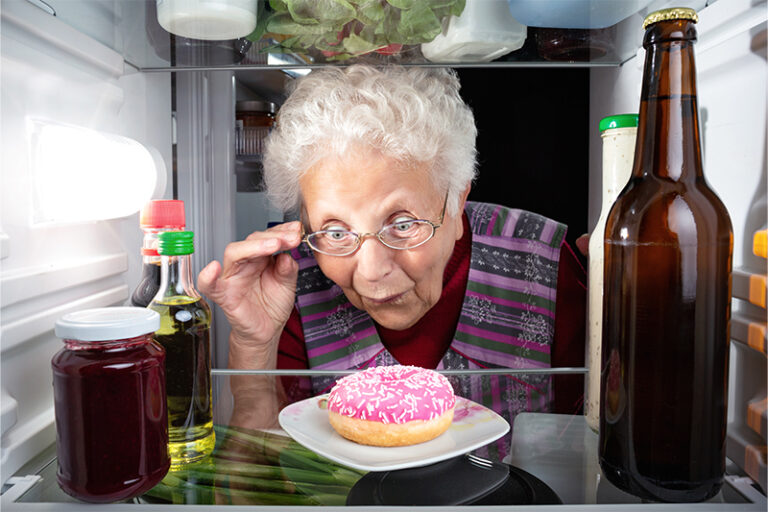
Many older adults have long-standing relationships with the foods they grew up enjoying. Foods like crackers, sweet treats, frozen meals, or diet snacks have been part of daily life for decades. They offer comfort, reliability, and a sense of familiarity. But new findings from the University of Michigan show that these same foods may also lead to addictive behaviors that affect health and emotional well-being.
Ultra-Processed Foods and Their Hidden Impact
The study uncovered a surprisingly high rate of addictive-like eating among older adults. Ultra-processed foods—convenient, inexpensive, and widely promoted—were at the center of these patterns. These items contain combinations of sugar, fat, salt, and additives that are purposely engineered to create strong cravings.
More than 1 in 5 older women and 1 in 10 older men met the criteria for this type of food addiction. Many grew up during the rise of packaged convenience foods, when “low-fat” or “light” products were heavily marketed. While these foods appeared healthier, they often included ingredients that made cravings even stronger.
What Addiction Looks Like in This Context
Researchers used an adapted version of the Yale Food Addiction Scale to identify behaviors such as:
- Persistent cravings
- Difficulty limiting intake
- Unpleasant feelings when attempting to reduce consumption
- Avoiding activities due to worries about overeating
These reactions closely mirror what happens with substances designed to trigger reward pathways. For many older adults, these foods have become part of daily routines, making them even harder to resist.
Why Women Are Disproportionately Affected
Women showed significantly higher rates of addictive eating. Marketing trends offer important clues. For decades, women were targeted with “diet-friendly” snacks and frozen meals. Despite being labeled as lighter choices, many contained refined ingredients that triggered recurring cravings.
Emotional connections also play a role. Stress, loneliness, or life transitions can make quick comfort foods feel appealing, and over time those habits can become difficult to break.
Emotional Well-Being and Food Reliance
The study also found strong ties between addictive eating patterns and feelings of isolation or poor mental health. Older adults who rated their emotional health as fair or poor were far more likely to struggle with food addiction. Experiencing loneliness increased the risk significantly as well.
In many cases, food becomes an emotional companion—something to reach for when life feels overwhelming.
Supporting Change with Compassion
Instead of strict rules or shame, practical and compassionate strategies work best:
- Explore the emotional triggers behind snacking.
- Add more nourishing foods to the day rather than focusing solely on restriction.
- Create positive social experiences around meals to reduce emotional eating.
- Seek support from professionals who understand emotional and behavioral eating.
Even small changes can help someone restore balance and feel more in control.
How Caregivers Can Make a Difference
Consistent support can be transformative for older adults trying to build healthier habits. A caregiver from our team can assist with meal planning, grocery shopping, and preparing nutritious meals that still feel enjoyable.
We emphasize encouragement and understanding in every interaction, helping older adults feel confident in their daily choices. If your loved one would benefit from caring support and help with healthy routines, call 805-737-4357. We proudly serve seniors in Arroyo Grande, Santa Maria, Lompoc, and nearby communities.